Maine Coon Cat Silhouette SVG
First Impressions: A Bold, Breed-True Shape That Speaks Before a Single Stitch
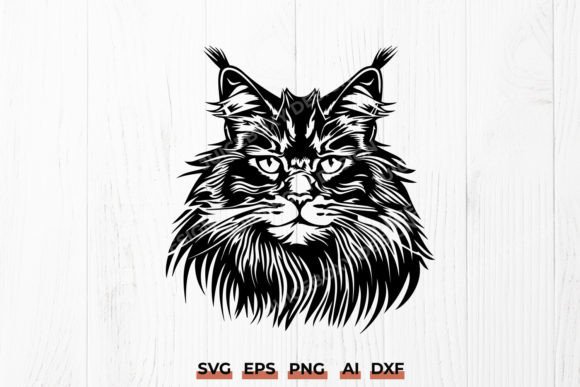
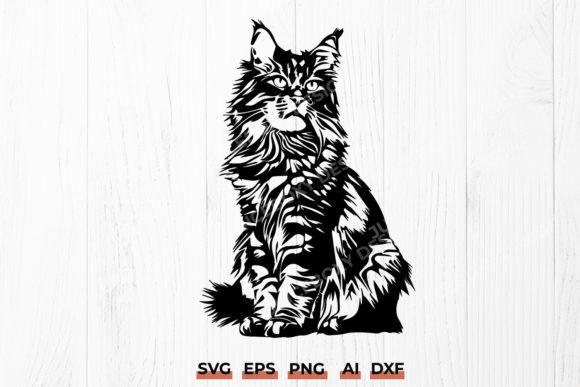
When I opened the Maine Coon Cat Silhouette SVG for the first time, I didn’t see just another cat outline—I saw posture, presence, and personality. The full-body stance—tail held high, ears perked, chest broad and confident—immediately reads as *Maine Coon*, not generic feline. There’s no cluttered detailing or cartoon exaggeration; instead, clean vector lines define the tufted ears, long tapering tail, and gentle curve of the back. It feels intentional, respectful of the breed’s regal bearing, and quietly sophisticated. This isn’t a design that shouts—it commands attention through silhouette strength alone. For embroidery, that’s gold: strong outlines translate cleanly into satin and fill stitches, and the balanced negative space around the shape means it won’t visually overwhelm smaller items like baby onesies or kitchen towels.
Real-World Test: Embroidering It on a Linen Tote Bag for a Local Pet Boutique
Last week, I used the Maine Coon Cat Silhouette SVG to create custom embroidered tote bags for a Portland-based pet boutique launching a “Maine Coon Appreciation Month” collection. We chose natural unbleached linen—a textured, medium-weight fabric with subtle slubs—and stitched the design centered on the front panel, roughly 4.5 inches tall. The result? Crisp, confident, and instantly recognizable. Customers paused at the display, pointed, smiled—even those who didn’t own a Maine Coon paused to admire the elegance. That tells me this design works beyond niche appeal: it carries warmth, craftsmanship, and quiet charm. It performed beautifully in satin stitch for the outer edge and smooth fill stitch for the body, with no thread nesting or puckering when paired with medium-cutaway stabilizer. The shape held its integrity across the fabric’s slight texture, and the proportions scaled well without losing definition.
Where It Shines (and Where to Pause)
The Maine Coon Cat Silhouette SVG naturally excels in projects where clarity, scale, and emotional resonance matter most:
- Custom apparel: Sweatshirts, crewnecks, and structured tote bags—especially in neutral tones—let the silhouette anchor the piece without competing.
- Baby and nursery items: On organic cotton burp cloths or muslin pillow covers, it reads as tender and timeless—not cutesy, but deeply personal.
- Embroidered patches: Clean edges mean sharp cut-and-sew results; ideal for scout badges, denim jackets, or shop-branded aprons.
- Holiday and gift embroidery: Paired with simple monogramming or a single seasonal accent (like a tiny embroidered pine bough), it elevates handmade holiday towels or personalized blankets.
- Etsy listings and small shop product photography: Its strong shape holds up beautifully in printable mockups—even grayscale versions retain character and legibility.
That said, proceed thoughtfully in these scenarios:
- Small hoop sizes (under 3.5 inches): While scalable, shrinking too far risks losing the subtle nuance of ear tufts and tail taper. Always test stitch a reduced version before committing.
- Stretchy or thin fabrics: Knits and lightweight rayon need extra stabilizer support—this design’s clean lines show every bit of distortion if the fabric shifts mid-stitch.
- Curved surfaces like caps: The full-body shape works best on flat or gently contoured areas. Avoid placing it across the crown seam unless you’re using a cap-specific digitized version.
- Dark or heavily textured backgrounds: On charcoal fleece or bouclé, contrast becomes critical—test thread colors in both black and heather gray before production.
What It Adds to Your Finished Product—Beyond Aesthetics
This isn’t just a machine embroidery design—it’s a subtle trust signal. When customers see the Maine Coon Cat Silhouette SVG on a handmade product, they register care: care in breed representation, care in design editing, care in execution. That builds perceived value faster than any tagline. For Etsy sellers, it supports storytelling (“Designed for Maine Coon lovers, stitched with intention”) and strengthens brand consistency across listings. For craft fair vendors, it invites conversation—people ask about the cat, the process, the story behind the shop. And for commercial embroidery shops, it’s a reliable, repeatable asset: versatile enough for client requests (a vet clinic gift, a breeder’s merch line, a pet memorial keepsake) yet distinctive enough to stand apart from clip-art alternatives.
Practical Designer Notes You’ll Want to Keep Handy
Before stitching your first Maine Coon Cat Silhouette SVG project:
- Always test on scrap fabric—same type, same stabilizer, same thread colors you plan to use.
- Review stitch density in your embroidery software. If fill areas look overly dense or sparse, adjust before hooping.
- Confirm hoop size compatibility. This is a full-body silhouette—make sure your machine’s maximum stitch area accommodates your intended dimensions.
- Inspect small details at actual stitch size: Do ear tips read clearly? Does the tail taper smoothly, or does it pixelate?
- Test black-and-white mockups to gauge contrast and balance—many buyers browse in grayscale thumbnails.
- Compare light and dark fabric backgrounds side by side. A thread color that pops on ivory may disappear on navy.
- Use proper stabilizer: Medium-cutaway for knits and wovens; tear-away for stable linens and quilting cottons.
- Verify licensing before selling finished items or bundling the SVG as part of a digital product. Since this is listed under Crafts and Graphics, confirm whether commercial use is included—or if attribution or limitations apply.
A Design That Earns Its Place—Not Just on Fabric, But in Your Workflow
The Maine Coon Cat Silhouette SVG doesn’t try to be everything. It’s focused. It’s breed-aware. It’s built for real-world embroidery—not just screen display. Whether you’re stitching a one-of-a-kind baby gift, stocking a boutique shelf, or building a cohesive line of pet-themed embroidery files, this design earns its spot by delivering clarity, character, and quiet confidence. It reminds us that sometimes the strongest statement in handmade work isn’t complexity—it’s conviction in the shape, respect in the detail, and intention in the stitch.